Do Not Ignore Your Periodontal Health
 AD Ratings - Dental
 Aug 22, 2025




Why Ignoring Your Gum Health Could Be Riskier Than You Think
Your gums do more than hold your teeth in place—they play a critical role in your overall oral and systemic health. Yet, gum health often goes overlooked until it’s too late. Periodontics, the specialized branch of dentistry that deals with the tissues supporting your teeth, is essential for preventing advanced dental issues and tooth loss.
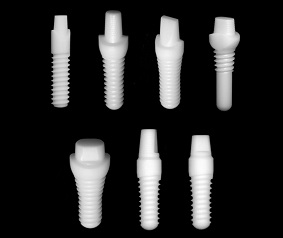
Periodontists—the experts in this field—are trained not only to treat infections in the gum and bone but also to perform corrective procedures and place dental implants when teeth are lost due to advanced gum disease.
Understanding Periodontal Disease
At the root of gum disease is a colorless, sticky bacterial biofilm known as plaque, which clings to teeth if not removed through regular brushing and flossing. Over time, plaque bacteria release toxins that inflame the gums, leading to bleeding, swelling, and, eventually, detachment of the gums from the teeth. This creates deep pockets that harbor even more bacteria, worsening the problem.
If untreated, periodontal disease can destroy the bone structure that supports your teeth, leading to mobility and tooth loss.
What Else Contributes to Poor Gum Health?
Beyond plaque, several factors can worsen or accelerate gum disease:
• Dental Traps and Hard-to-Reach Areas
Issues such as decayed teeth, crowded bites, broken fillings, or ill-fitting dentures can make it harder to remove plaque effectively, allowing bacteria to thrive.
• Lifestyle Habits
Tobacco use, poor oral hygiene routines, and oral piercings all negatively impact gum tissue. Inadequate nutrition and high stress levels weaken your immune system, making it harder for your body to fight off infections like periodontitis.
• Underlying Medical Conditions
Patients with diabetes, immune disorders, leukemia, or HIV have a reduced ability to combat infections, making them more prone to serious gum complications.
• Hormonal Changes
Fluctuations during puberty, menstruation, pregnancy, or menopause can make gum tissues more reactive to plaque and bacteria, increasing inflammation and sensitivity.
• Genetics
Some individuals inherit a higher likelihood of developing gum disease, even with proper oral hygiene.
• Tobacco Products
Smokers are at increased risk for tartar buildup, deeper gum pockets, delayed healing, and oral cancer. Nicotine reduces blood flow, which hinders the healing of gum tissue and lowers the success rate of gum treatments.
• Certain Medications
Drugs such as antidepressants, oral contraceptives, and some cardiac medications can affect gum health and interact poorly with antibiotics used in periodontal treatment. Always inform your dental professional about any medications you’re taking.
Who Should You See?
Routine exams with a general dentist can identify early warning signs, but for advanced gum issues, a periodontist is the go-to expert. While your dentist can refer you, you can also seek out a periodontist directly if you’re noticing persistent gum symptoms.
Types of Gum Disease
1. Gingivitis
A mild inflammation of the gums that doesn’t involve bone loss. With early treatment, it’s fully reversible.
2. Chronic Periodontitis
This is the most common form, typically seen in adults, and involves progressive loss of bone and connective tissue. It’s diagnosed through clinical exams and X-rays that reveal gum recession and pocketing.
3. Aggressive Periodontitis
Less frequent but fast-acting, this type causes rapid breakdown of gum and bone. It often appears in healthy individuals—usually during puberty or early adulthood—and requires immediate care.
4. Necrotizing Periodontal Conditions
Characterized by tissue death, this severe infection typically occurs in patients with compromised immune systems or poor nutrition. It causes intense pain, swelling, and bad breath.
Watch for These Symptoms
Many people don’t realize they have gum disease until damage is advanced. Here are warning signs to look out for:
-
Gums that bleed while brushing or flossing
-
Persistent bad breath
-
Swollen, red, or tender gums
-
Receding gumline or loose teeth
-
Pus or discharge between the teeth and gums
-
Changes in how your bite feels
-
Dentures no longer fitting properly
If you notice any of these, it’s time to schedule an evaluation with your dental provider.
Treatment and Maintenance
Treatment depends on how advanced the disease is. Early stages may only require professional cleanings and improved hygiene habits. But if the infection has reached deeper into the bone, you may need surgical treatment, including flap surgery, bone grafts, or regenerative procedures.
Even after treatment, gum disease can return. Ongoing periodontal maintenance appointments every few months allow your periodontist to:
-
Remove new plaque and tartar
-
Monitor gum pocket depths
-
Adjust bite alignment
-
Assess for any signs of recurrence
The Takeaway
Periodontal health isn’t just about avoiding tooth loss—it’s about preserving your overall wellness. Chronic inflammation from untreated gum disease has been linked to heart disease, diabetes complications, respiratory conditions, and more.
Taking care of your gums is a lifelong commitment. Whether you’re seeing early symptoms or want to prevent problems altogether, regular dental visits, proper hygiene, and a proactive mindset are your best defense.
Your smile—and your health—will thank you for it.
Trending News
-

How to Treat Pigmentation Changes on Melanin-Rich Skin Post-Eczema David.C
-

Are Your Implants Covered? Understanding Plastic Surgery Complication Insurance David.C
-

The New Face of Plastic Surgery: How Ozempic, Hormones, and Social Media Are Reshaping Aesthetics in 2025 Dave.C
-
10 Reasons Why Metal-Free CeraRoot Zirconia Dental Implants Are Superior Dr. Azadeh Khajavi - Excellence Dental
-

9 Recovery Tips From a Plastic Surgeon (and Patient) to Make Healing Easier Dave.M